Chapter 7 and Chapter 13, New Jersey
Mortgage After Bankruptcy in New Jersey: How Long You Wait, by Loan
After a Chapter 7, FHA, VA and NJHMFA’s state loan generally look for 2 years from the discharge, USDA for 3, and Fannie Mae and Freddie Mac for 4. During a Chapter 13, FHA can consider you after 12 months of on-time plan payments, with the court’s written permission.
By Jimmy Joseph, MBA, loan officer, NMLS #1577754, CMG Home Loans (NMLS #1820). Rules from HUD, VA, USDA, Fannie Mae, Freddie Mac, NJHMFA and the U.S. Bankruptcy Court for the District of New Jersey, checked November 9, 2026. General information, not legal advice. Equal Housing Opportunity.
Ask Jimmy when you can buy
Tell Jimmy the chapter you filed, your discharge or filing date and the county you’re buying in. He’ll reach out to you directly.
Use this form only for general contact details and loan questions. Do not enter a Social Security number, bank account number, or financial documents. Use the secure CMG application when you are ready to apply. See our privacy notice.
- FHA after a Chapter 7
- 2 years
- from the discharge
- FHA during a Chapter 13
- 12 months
- of plan payments, with court permission
- Fannie Mae after a Chapter 7
- 4 years
- from discharge or dismissal
- NJ bankruptcy cases
- 15,025
- 12 months to Sept. 30, 2026
How long after bankruptcy can you get a mortgage?
It depends on two things: the chapter you filed and the loan you use. These are the waits each agency publishes. A lender can add stricter rules of its own.
| Loan | After a Chapter 7 | Chapter 13 |
|---|---|---|
| FHA | 2 years from the discharge. 12 months can be enough with documented hardship. | During the plan: after 12 months of on-time payments, with the court's written permission. |
| VA | More than 2 years from the discharge to closing. 1 to 2 years only with verified hardship and new credit paid well. | During the plan: after 12 months of payments, if the trustee or the judge approves the new credit. |
| USDA | More than 36 months from the discharge. Sooner only with an automated approval or a credit exception. | During the plan: payments on time and written permission from the court or trustee; 12 months elapsed on manual files. |
| Fannie Mae | 4 years from discharge or dismissal, or 2 with documented extenuating circumstances. | Not during the plan. 2 years from the discharge, or 4 from a dismissal. |
| Freddie Mac | 48 months from discharge or dismissal; 24 with extenuating circumstances. | Not during the plan. 24 months from the discharge, or 48 from a dismissal. |
| NJHMFA (state first-time buyer loan) | The discharge must be more than 2 years old when you apply. | Not during the plan. The same 2 years, counted from the discharge. |
Each loan name links to the agency’s own text, read November 9, 2026. Freddie Mac’s figures are for loans a person underwrites; its automated system decides the rest. Approval also depends on your credit, income, savings and the home.
Which date starts the clock, and which date it runs to
Most waits start at the discharge, the date the court releases your debts. Where they stop differs, and that can move your earliest date by weeks.
- FHA: from the discharge to the date the lender opens your FHA case number. HUD’s handbook measures it “at the time of case number assignment”. If the discharge is less than two years before that date, a person must underwrite the loan instead of FHA’s automated scorecard.
- Fannie Mae: from the discharge or dismissal to “the disbursement date of the new loan” when a person underwrites it. Its automated system reads the date on your credit report, so the lender can pull a new report once the time has passed.
- Freddie Mac: from the discharge or dismissal to the date of your application.
- VA: from the discharge to the date of closing.
- USDA: from the discharge to the date the lender submits your loan to USDA.
- NJHMFA: from the discharge to the day you apply.
A dismissal, when a case ends without a discharge, often means a longer wait. Fannie Mae says a borrower who could not finish a Chapter 13 plan “will be held to a four-year waiting period”.
Your discharge also depends on a course. The U.S. Trustee Program says debtors must finish a debtor education course to receive a discharge, with limited exceptions. In New Jersey, a Chapter 13 debtor must file a Certification in Support of Discharge within 30 days of the trustee’s plan-complete letter. Without that certification, no discharge is entered.
A dated example
Say your Chapter 7 was discharged on June 30, 2025. With no other credit problems, the earliest dates under each published rule are:
- FHA: a case number on or after June 30, 2027. With documented hardship, a person can consider the file from June 30, 2026.
- VA: a closing after June 30, 2027.
- NJHMFA: an application after June 30, 2027.
- USDA: submission after June 30, 2028, unless the automated system approves the file sooner.
- Fannie Mae: the new loan funds on or after June 30, 2029, or June 30, 2027 with documented extenuating circumstances.
- Freddie Mac: an application on or after June 30, 2029, when a person underwrites the loan.
This shows how the time counts, not whether you qualify. Your credit since the bankruptcy, your income and the home still decide that.
Buying a home during a Chapter 13 in New Jersey
Two permissions are in play: the loan program’s and the bankruptcy court’s. The program rules come first.
- FHA: at least 12 months of the plan must have passed, every payment in the last 12 months on time, and you need “written permission from bankruptcy court”.
- VA: after at least 12 months of payments, a lender may give favorable consideration if the trustee or the judge approves the new credit.
- USDA: all payments on time and written permission from the court or trustee.
- Fannie Mae, Freddie Mac and NJHMFA: not while the case is open. Their clocks start at the discharge or dismissal.
What New Jersey’s bankruptcy court requires
The court’s Chapter 13 questions page is plain about it: “If you intend to refinance existing debt (including your mortgage) or incur new debt, you must obtain court approval to do so by filing a motion.” A new home loan is new debt.
The court’s local rule on obtaining credit (LBR 4001-3(b)) says a motion for authority to obtain credit must include:
- a description of the efforts to obtain credit;
- the facts showing you obtained the best available terms;
- a detailed budget supporting the new credit;
- the facts showing the credit is extended in good faith.
The court also publishes recommended forms for financing during a Chapter 13. They are written for a refinance, not a purchase, but they show what the judge looks at:
- The debtor’s certification names the lender, the loan amount and term, the monthly payment, the taxes, whether the loan is fixed or adjustable, and how your plan payments will be handled. It assumes you have already pre-qualified.
- The approval order requires the settlement statement to reach the Chapter 13 trustee within 7 days of closing, and the judge marks whether a 14-day stay applies before the order takes effect.
There is no local form written for buying a home during a case. Your bankruptcy attorney files the motion and decides how it is drafted. Jimmy can give your attorney the lender and loan details the motion needs.

Which trustee and courthouse handle your case
New Jersey’s bankruptcy court is split into three offices, called vicinages, by county. Each has its own Chapter 13 standing trustee, listed by the U.S. Trustee Program.
- Newark: Bergen, Essex, Hudson, Morris, Passaic, Sussex and Union. Courthouse: 50 Walnut Street, Newark. Trustee: Marie-Ann Greenberg.
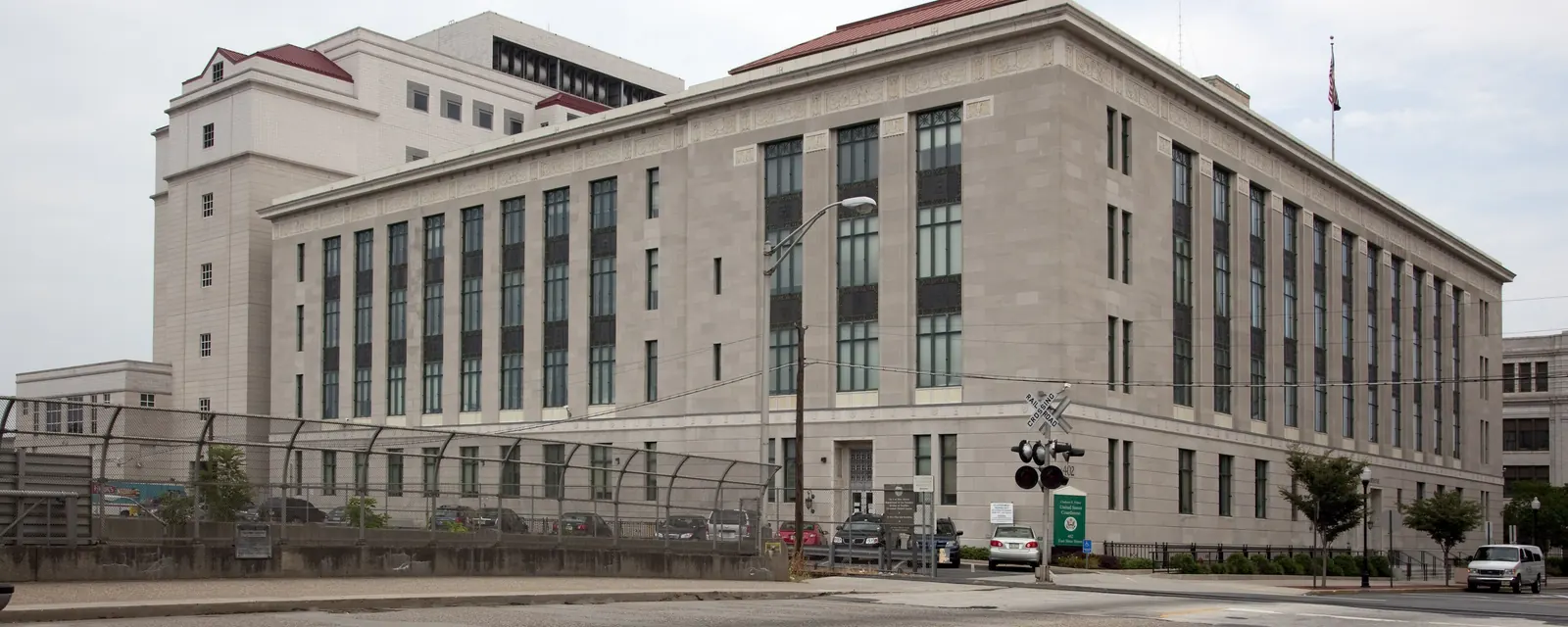
- Trenton: Hunterdon, Mercer, Middlesex, Monmouth, Ocean, Somerset, Warren and Burlington outside ten townships. Courthouse: Clarkson S. Fisher U.S. Courthouse, 402 East State Street, Trenton. Trustee: Albert Russo.
- Camden: Atlantic, Camden, Cape May, Cumberland, Gloucester, Salem and ten Burlington townships. Courthouse: U.S. Post Office and Courthouse, 401 Market Street, Camden. Trustee: Andrew B. Finberg (his office calls itself the trustee for Southern New Jersey).
Paramus, where Jimmy works, is in Bergen County, so cases from there go to the Newark office. The Southern New Jersey trustee’s office adds a practical rule: if a sale or refinance will pay all or part of your plan, notify the trustee and request a payoff in writing at least 10 days before closing.
You are far from alone. In the 12 months ending September 30, 2026, New Jersey’s bankruptcy court opened 15,025 cases, about 2.4% of the national total (U.S. Courts, Table F-2). Of the household cases, 8,776 were Chapter 7 and 5,047, about 36%, were Chapter 13.
What counts as an extenuating circumstance
Several programs shorten the wait when the bankruptcy came from events you could not control. Each defines it in its own words.
- Fannie Mae: “nonrecurring events that are beyond the borrower’s control” that cause a sudden, significant and prolonged drop in income or a catastrophic rise in obligations. Examples of proof include a divorce decree, medical reports or bills, a layoff notice or severance papers, plus your written explanation.
- Freddie Mac: a nonrecurring or isolated event beyond your control that cut income or raised expenses. The lender must confirm it with third-party documents.
- FHA: 12 to 24 months after a Chapter 7 when the bankruptcy was caused by circumstances beyond your control and you have managed your finances responsibly since.
- VA: examples include unemployment, prolonged strikes and medical bills not covered by insurance. VA says divorce is not generally viewed as beyond your control.
One wait cannot be shortened: Fannie Mae permits no exception to the two years after a Chapter 13 discharge.
More than one bankruptcy, or a lost home
- Two or more filings in seven years: Fannie Mae requires 5 years from the most recent discharge or dismissal, or 3 with extenuating circumstances. Freddie Mac requires 60 months.
- A foreclosure: Fannie Mae requires 7 years and FHA 3 years from the transfer of title. If the mortgage was discharged in the bankruptcy and the lender documents it, Fannie Mae can apply the bankruptcy wait instead.
- NJHMFA: any past foreclosure, deed-in-lieu or short sale rules out its first-time buyer loan and all of its down payment help.
New Jersey’s first-time buyer program after a bankruptcy
NJHMFA, the state housing finance agency, lends through approved lenders and has its own rules on top of FHA’s. Its lender guide, effective October 19, 2026, says:
- The discharge must be more than 2 years old when you apply, for Chapter 7 and Chapter 13 alike.
- No derogatory credit in the most recent 24 months. Since the discharge, no more than two 30-day late payments and no collections or charge-offs, except medical.
- A credit score of at least 620. Below 660, total debt can’t exceed 45% of income.
- Homebuyer education from a HUD-approved counseling agency, with a certificate less than a year old at closing.
Once you qualify, the down payment help is up to $15,000 in Bergen County and 11 other counties. CMG Mortgage Inc., where Jimmy works, is on the agency's lender list (updated October 1, 2026). Our NJHMFA income limits guide has every county’s limits.
How long a bankruptcy stays on your credit report
The Fair Credit Reporting Act generally bars credit reports from listing a bankruptcy case more than 10 years old, counted from the court’s order for relief. That limit does not apply to a report pulled for a loan of $150,000 or more, which covers most mortgages, so a lender can still see an older case and ask about it.
Fannie Mae’s automated system ignores a bankruptcy in the public records that is more than seven years older than the credit report. Either way, the waits above end long before that. What lenders look at in between is how you have paid since.
What to gather before you apply
- Your bankruptcy petition, schedule of debts and the discharge or dismissal order, with the dates. Freddie Mac lists them for every bankruptcy it reviews by hand, and FHA asks for them when the credit report doesn’t verify the discharge date.
- In an open Chapter 13: your payment history from the trustee for the last 12 months and the court’s order allowing the new loan.
- A letter explaining what caused the bankruptcy and why it is unlikely to happen again. FHA asks the lender to document that.
- Documents proving any extenuating circumstance, if you are asking for a shorter wait.
- Your credit reports, checked so every discharged debt shows as discharged with no balance due.
- Two years of income records and a list of your current monthly debts.
- For NJHMFA: your homebuyer education certificate.
Not sure which date applies to you?
Tell Jimmy the chapter, the discharge or filing date and the county. He’ll tell you which loan you can use first and what to gather. Eligibility and approval follow program rules and the lender’s review; any credit check is explained before you authorize it.
Common questions
Can I get an FHA loan one year after a Chapter 7 in New Jersey?
Possibly. HUD's handbook allows 12 to 24 months after the discharge if the bankruptcy came from circumstances beyond your control and you have handled your finances responsibly since. The file is underwritten by a person, not FHA's automated scorecard, and you document both points.
Can I buy a house while I'm still in a Chapter 13 in New Jersey?
FHA and VA allow it after about 12 months of on-time plan payments, and USDA with on-time payments (12 months on files a person underwrites), each with permission for the new loan. New Jersey's bankruptcy court says that taking on new debt during a Chapter 13 requires court approval by motion, so your bankruptcy attorney files first. Fannie Mae, Freddie Mac and NJHMFA wait for the discharge.
Does a dismissed Chapter 13 change the wait?
Yes, for conventional loans. Fannie Mae counts 2 years from a Chapter 13 discharge but 4 years from a dismissal, and Freddie Mac counts 24 months from a discharge but 48 from a dismissal.
Can I use NJHMFA down payment help after a bankruptcy?
Yes, once the discharge is more than 2 years old when you apply, your credit is clean for the last 24 months and your score is at least 620. A past foreclosure, deed-in-lieu or short sale rules out the first-time buyer program and its down payment help.
Related guides
- FHA Loan Requirements in New Jersey→Credit score, down payment, debt ratios and county limits for the loan most buyers use first.
- Credit Score to Buy a House in NJ→The minimum score for each loan type, and what changes with a higher one.
- VA Home Loans in New Jersey→VA loans for veterans and service members buying in New Jersey.
- NJHMFA Income Limits by County→Every county's income and price limits for the state first-time buyer loan.
Sources
- HUD, Single Family Housing Policy Handbook 4000.1, Update 18 (last revised August 12, 2026), pp. 203, 208, 288-289
- Fannie Mae Selling Guide, B3-5.3-07: Significant Derogatory Credit Events, Waiting Periods and Re-establishing Credit
- Fannie Mae Selling Guide, B3-5.3-08: Extenuating Circumstances for Derogatory Credit
- Fannie Mae Selling Guide, B3-5.3-09: DU Credit Report Analysis
- Freddie Mac Single-Family Seller/Servicer Guide, 5202.1: Credit assessment for Manually Underwritten Mortgages (effective November 4, 2026)
- VA Pamphlet 26-7, Lenders Handbook, Chapter 4: Credit Underwriting
- USDA Rural Development, HB-1-3555, Chapter 10: Credit Analysis (Attachment 10-A revised August 5, 2025)
- NJHMFA, Mortgage Program Policy and Procedures for Participating Lenders (effective October 19, 2026), sections 3-2, 4-1 and 5-2
- NJHMFA, Single Family Program Highlights (updated October 19, 2026)
- NJHMFA, First-Time Homebuyer Mortgage Program consumer fact sheet (updated June 17, 2026)
- NJHMFA, Participating Lender List (updated October 1, 2026)
- U.S. Bankruptcy Court, District of New Jersey: Chapter 13 frequently asked questions
- U.S. Bankruptcy Court, District of New Jersey: Local Bankruptcy Rules (dated August 1, 2026), LBR 1002-1, 4001-3 and 4002-1
- District of New Jersey local form: Debtor's Certification in Support of Motion for Post-Petition Financing
- District of New Jersey local form: Order Approving Post-Petition Financing
- U.S. Bankruptcy Court, District of New Jersey: courthouse locations
- U.S. Trustee Program: List of Chapter 13 Standing Trustees (New Jersey)
- U.S. Trustee Program: Credit Counseling and Debtor Education
- U.S. Courts, Table F-2: bankruptcy cases commenced in the 12 months ending September 30, 2026
- Fair Credit Reporting Act, 15 U.S.C. 1681c(a)(1)
Equal Housing Opportunity. Jimmy Joseph, MBA is a loan officer, NMLS #1577754, with CMG Mortgage, Inc., dba CMG Home Loans, NMLS #1820. This page is general information about loan program rules. It is not legal advice and not a commitment to lend. Your bankruptcy attorney advises on your case. Program rules change; confirm what applies to your loan when you apply.