2-4 unit homes, all 21 counties
Multifamily Loans in New Jersey: How to Finance a 2-4 Unit Home
Live in one unit and you can put down as little as 3.5% with FHA or 5% with a conventional loan. Rent from the other units can help you qualify. Here are the rules and the limit in your county.
By Jimmy Joseph, MBA, loan officer, NMLS #1577754, CMG Home Loans (NMLS #1820). Rules and limits from HUD, FHFA, Fannie Mae and VA, checked November 7, 2026. Equal Housing Opportunity.
Ask Jimmy about a 2-4 unit home
Tell Jimmy the county, the number of units and whether you’ll live in one. He’ll reach out to you directly.
Use this form only for general contact details and loan questions. Do not enter a Social Security number, bank account number, or financial documents. Use the secure CMG application when you are ready to apply. See our privacy notice.
- FHA, you live there
- 3.5% down
- credit score of 580 or higher
- Conventional, you live there
- 5% down
- Fannie Mae, 2-4 units
- Conventional, investor
- 25% down
- Fannie Mae, 2-4 units
- NJ homes in 2-4 unit buildings
- 14.6%
- Census ACS, 2024
What type of loan do you need to buy a multifamily property?
It depends on the number of units and whether you will live there. A two-, three- or four-unit home uses an ordinary residential mortgage:
- You’ll live in one unit: an FHA, conventional or VA loan.
- You won’t live there: a conventional investor loan, or the DSCR and portfolio options on Jimmy’s investor loans page.
- Five or more units: a commercial loan. This guide doesn’t cover those, and the programs below stop at four units.
Down payment by loan type
These are the published minimums for a 2-4 unit purchase.
- FHA, 3.5% down: HUD’s handbook sets a minimum investment of at least 3.5%, and a credit score of 580 or higher qualifies for maximum financing. At least one borrower must move in within 60 days and intend to stay for at least a year.
- Conventional, you live there, 5% down: Fannie Mae’s Eligibility Matrix allows up to 95% of the value on a 2-4 unit principal residence run through Desktop Underwriter, its automated system.
- High-balance conventional, 15% or 25% down: if your loan is above the national baseline for your unit count, the matrix limits it to 85% of the value for two units and 75% for three or four. Only the 12 high-cost counties have this band.
- VA, no down payment in many cases: VA says a purchase loan often needs no down payment as long as the sales price isn’t higher than the appraised value. You must live in the home. VA’s rules allow up to four family units, plus one more for each additional veteran who co-owns the property.
- Conventional investor, 25% down: the same matrix allows up to 75% of the value when you buy a 2-4 unit home and won’t live there.
2-4 unit loan limits and housing stock, by county
The table lists all 21 counties, starting where 2-4 unit buildings are most common. The share is the part of each county’s housing units that sit in buildings with two to four units. Limits are for 2026.
| Countyshare of homes in 2-4 unit buildings | FHA limitby number of units | Conforming limitby number of units |
|---|---|---|
| Hudson30.9% | 2 units: $1,599,3753 units: $1,933,2004 units: $2,402,625 | 2 units: $1,548,9753 units: $1,872,2254 units: $2,326,875 |
| Passaic29.7% | 2 units: $1,599,3753 units: $1,933,2004 units: $2,402,625 | 2 units: $1,548,9753 units: $1,872,2254 units: $2,326,875 |
| Essex27.9% | 2 units: $1,599,3753 units: $1,933,2004 units: $2,402,625 | 2 units: $1,548,9753 units: $1,872,2254 units: $2,326,875 |
| Union24.1% | 2 units: $1,599,3753 units: $1,933,2004 units: $2,402,625 | 2 units: $1,548,9753 units: $1,872,2254 units: $2,326,875 |
| Bergen18.8% | 2 units: $1,599,3753 units: $1,933,2004 units: $2,402,625 | 2 units: $1,548,9753 units: $1,872,2254 units: $2,326,875 |
| Middlesex11.6% | 2 units: $1,599,3753 units: $1,933,2004 units: $2,402,625 | 2 units: $1,548,9753 units: $1,872,2254 units: $2,326,875 |
| Cape May11.4% | 2 units: $934,8503 units: $1,130,0004 units: $1,404,350 | 2 units: $1,066,2503 units: $1,288,8004 units: $1,601,750 |
| Atlantic10.2% | 2 units: $934,8503 units: $1,130,0004 units: $1,404,350 | 2 units: $1,066,2503 units: $1,288,8004 units: $1,601,750 |
| Somerset9.9% | 2 units: $1,599,3753 units: $1,933,2004 units: $2,402,625 | 2 units: $1,548,9753 units: $1,872,2254 units: $2,326,875 |
| Cumberland8.7% | 2 units: $693,0503 units: $837,7004 units: $1,041,125 | 2 units: $1,066,2503 units: $1,288,8004 units: $1,601,750 |
| Mercer8.5% | 2 units: $693,0503 units: $837,7004 units: $1,041,125 | 2 units: $1,066,2503 units: $1,288,8004 units: $1,601,750 |
| Warren8.5% | 2 units: $693,0503 units: $837,7004 units: $1,041,125 | 2 units: $1,066,2503 units: $1,288,8004 units: $1,601,750 |
| Morris7.5% | 2 units: $1,599,3753 units: $1,933,2004 units: $2,402,625 | 2 units: $1,548,9753 units: $1,872,2254 units: $2,326,875 |
| Camden7.4% | 2 units: $806,7503 units: $975,2004 units: $1,211,950 | 2 units: $1,066,2503 units: $1,288,8004 units: $1,601,750 |
| Salem6.9% | 2 units: $806,7503 units: $975,2004 units: $1,211,950 | 2 units: $1,066,2503 units: $1,288,8004 units: $1,601,750 |
| Hunterdon6.3% | 2 units: $1,599,3753 units: $1,933,2004 units: $2,402,625 | 2 units: $1,548,9753 units: $1,872,2254 units: $2,326,875 |
| Monmouth6.2% | 2 units: $1,599,3753 units: $1,933,2004 units: $2,402,625 | 2 units: $1,548,9753 units: $1,872,2254 units: $2,326,875 |
| Ocean5.4% | 2 units: $1,599,3753 units: $1,933,2004 units: $2,402,625 | 2 units: $1,548,9753 units: $1,872,2254 units: $2,326,875 |
| Sussex5.2% | 2 units: $1,599,3753 units: $1,933,2004 units: $2,402,625 | 2 units: $1,548,9753 units: $1,872,2254 units: $2,326,875 |
| Gloucester4.9% | 2 units: $806,7503 units: $975,2004 units: $1,211,950 | 2 units: $1,066,2503 units: $1,288,8004 units: $1,601,750 |
| Burlington4.6% | 2 units: $806,7503 units: $975,2004 units: $1,211,950 | 2 units: $1,066,2503 units: $1,288,8004 units: $1,601,750 |
Limits from HUD’s FHA lookup and FHFA’s 2026 county file, re-checked November 7, 2026. Housing figures are estimates from the 2024 American Community Survey.
Two things stand out in those limits:
- In Bergen and the other 11 high-cost counties, FHA’s two-unit limit of $1,599,375 is higher than the conforming limit of $1,548,975.
- South Jersey runs the other way. In Camden County, FHA stops at $806,750 for two units, while the conforming limit is $1,066,250.
FHFA had not posted 2027 limits on November 7, 2026. For the one-unit figures and the full history, see the FHA limits by county and conforming limits by county.
State down payment help on a 2-4 unit home
New Jersey’s housing finance agency lends on more than single-family homes. Its First-Time Homebuyer Mortgage is a 30-year fixed, government-insured loan, and the property can be a two- to four-family home if you live in one unit as your primary residence, moving in within 60 days of closing. The home must also meet the rules of the loan’s insurer, such as FHA or VA.
- Down payment help: up to $15,000 in 12 counties, including Essex, Hudson, Passaic and Union, and up to $10,000 in the other 9. It is a forgivable loan with no interest and no monthly payments, forgiven after five years if you keep living there and don’t refinance or sell.
- Who counts as a first-time buyer: no ownership interest in a primary residence in the past three years. Buyers in an Urban Target Area and qualified veterans don’t have to be first-time buyers, but can’t own another primary residence at closing.
- Price limits rise with the units: in Essex County, outside an Urban Target Area, the limit is $1,673,445 for two units, $2,022,730 for three and $2,513,895 for four, effective June 17, 2026. Income limits apply too.
You apply through a participating lender, not the agency. CMG Mortgage Inc., where Jimmy works, is on the agency's list (updated October 1, 2026). Our NJHMFA guide has every county’s income and 2-4 unit price limits.
Where New Jersey’s 2-4 unit homes are
Statewide, 14.6% of housing units are in buildings with two to four units. Five counties, Hudson, Passaic, Essex, Union and Bergen, hold about 67% of them.
- Hudson: 30.9% of housing units, the highest in the state.
- Passaic: 29.7%.
- Essex: 27.9%.
- Burlington: 4.6%, the lowest.
How rental income counts
Each program counts the rent differently, and the difference can change what you qualify for.
- FHA, two to four units: with no rental history on the property, the lender uses 75% of the lesser of the appraiser’s market rent or the lease. The net rent is added to your income. It can’t be used to reduce the payment.
- FHA, three or four units: the property must also pass the self-sufficiency test. The monthly payment, divided by the net rent, can’t exceed 100%. Net rent is the appraiser’s market rent for all units, including yours, minus the greater of the appraiser’s vacancy and maintenance estimate or 25%. You also need three months of payments in reserve after closing.
- Fannie Mae: rent from the unit you live in doesn’t count. On a purchase, the lender takes 75% of the gross rent and subtracts the property’s full monthly payment. With at least 12 months of property management experience, a positive result can count in full. With less, it can only offset that payment.
- VA: the rent counts only if you can show a reasonable likelihood of success as a landlord, based on documented experience, and have verified reserves covering at least six months of payments. The lender uses 75% of the lease unless a higher share can be documented.
A worked example
This is an example, not a quote. The $600,000 price is a round number for the math, not a market figure. It assumes an FHA loan on a two-unit home in Essex County, with you living in one unit.
- Limit: Essex County’s FHA limit for two units is $1,599,375, so the loan fits.
- Down payment: 3.5% is $21,000, leaving a base loan of $579,000.
- Upfront mortgage insurance: 1.75% of the base loan is $10,132.50. Financing it brings the loan to $589,132.
- Annual mortgage insurance: HUD’s schedule sets 0.55% a year for this loan size and down payment, about $265 a month in the first year.
- Principal and interest: at Freddie Mac’s national average of 7.18% for November 5, 2026, about $3,991 a month over 30 years. Property taxes and insurance come on top and vary by town.
- Rent: suppose the appraiser puts the other unit’s market rent at $2,233, the same as HUD’s FY2027 Fair Market Rent for a two-bedroom in the Newark area. If no lease shows a lower rent, FHA would count 75%, or $1,675 a month, as income.
Your own numbers depend on the price, your credit, the taxes in that town and the market when you apply.
What to have ready for a pre-approval
- The county and the number of units, so you can check the limit above.
- Whether you’ll live there, which decides if FHA, VA or the 5% conventional path is open.
- Proof of your current housing payment. Fannie Mae requires it before a lender can use any rent from the property.
- Any existing leases. If tenants are staying, Fannie Mae asks for a fully signed copy when the lease transfers to you.
- Records of any landlord experience, which Fannie Mae and VA both look at.
- Savings for the down payment and reserves. FHA requires 3 months of payments in reserve after closing on three or four units. VA requires at least six months if you count rent.
- Your credit score. FHA needs 580 for the 3.5% down payment. Fannie Mae’s published minimums are for manually underwritten loans: 640 to 700 on two units and 660 to 680 on three or four, depending on your debts and down payment, with 6 months of reserves. Its table for loans run through its automated system lists no score, so ask Jimmy what applies to your file.
- Your income records and a list of your monthly debts. Jimmy reviews both, along with your credit, before any pre-approval.
- If you’re buying with family, who will be on the loan and who will live in the home. The rules differ by loan, so raise it early.
To count rent with no history on the property, FHA requires a small residential income appraisal (Fannie Mae Form 1025) showing the market rent.
Buildings with five or more units
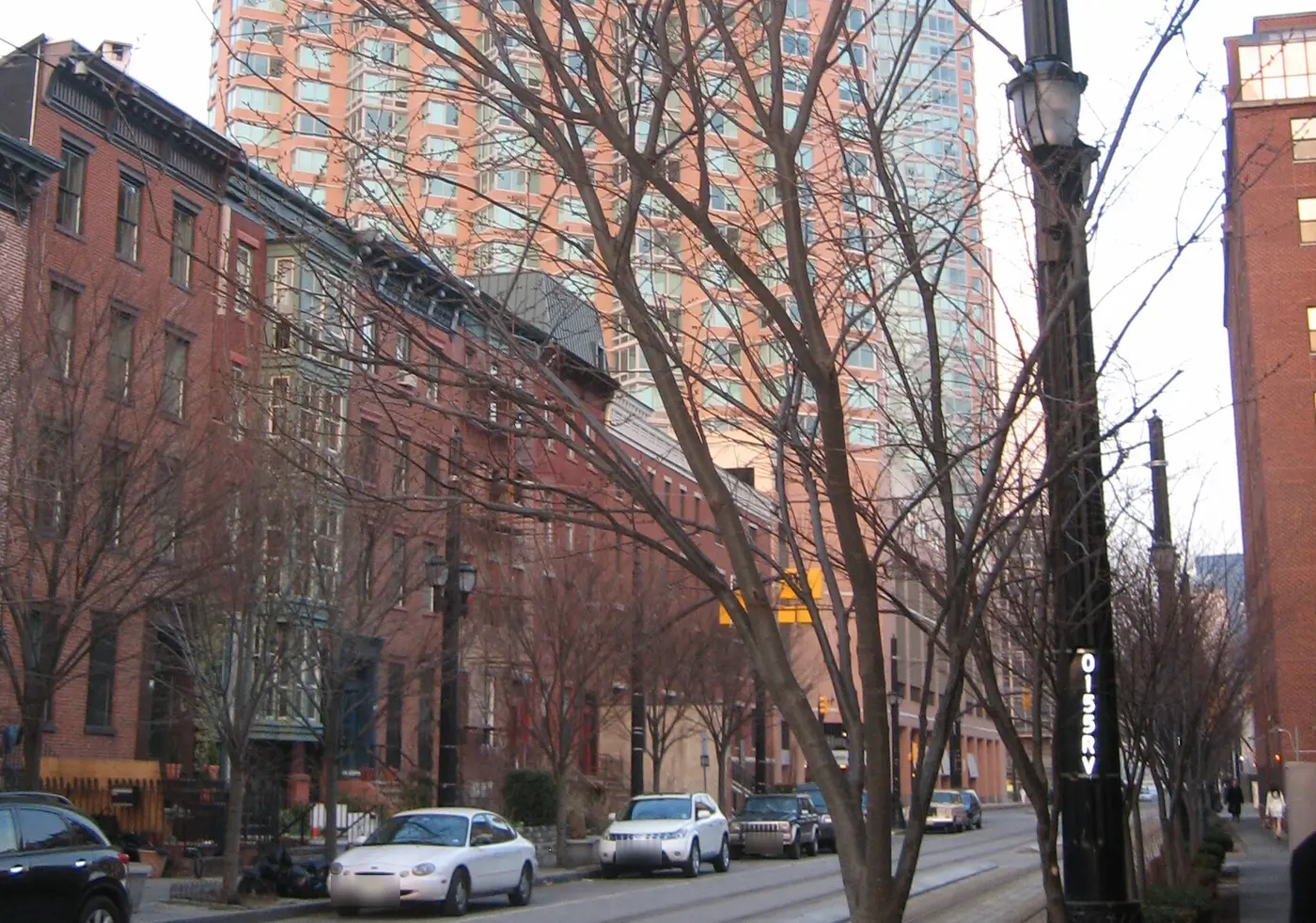
FHA’s standard purchase loan, VA and Fannie Mae’s single-family rules stop at four units. A building with five or more apartments is financed as a commercial property, with different lenders and different underwriting. Those loans are outside this guide.
Looking at a two-, three- or four-unit home?
Tell Jimmy the county, the number of units and whether you’ll live there. He’ll tell you which loan fits and what to gather to get pre-approved. Eligibility and approval follow program rules and the lender’s review; any credit check is explained before you authorize it.
Common questions
Can I buy a four-unit building in New Jersey with an FHA loan?
Yes, if you will live in one of the units. FHA requires at least one borrower to move in within 60 days and intend to stay for at least a year. A three- or four-unit home must also pass the self-sufficiency test, which compares the payment with the rent the building can earn, and you need 3 months of payments in reserve after closing.
Can I count the rent from the other units to qualify?
Often, yes. FHA, Fannie Mae and VA each allow it under their own rules. FHA and Fannie Mae generally count 75% of the rent, and FHA uses the lesser of the appraiser's market rent or the lease when you have no rental history on the property. VA counts it only if you show landlord experience and six months of payments in reserve.
Is a five-unit building a multifamily loan?
It is, but a different kind. FHA's standard purchase loan, VA and Fannie Mae's single-family rules stop at four units. A building with five or more apartments is financed as a commercial property, and this guide does not cover those loans.
Related guides
- FHA Loans in New Jersey→How FHA works: down payment, credit and mortgage insurance.
- Real Estate Investor Loans in NJ→DSCR, portfolio and other options if you won't live in the property.
- FHA Loan Limits by New Jersey County, 2026→HUD's limits for one to four units in all 21 counties.
- Conforming Loan Limits in New Jersey→FHFA's county limits and how to tell conforming, high-balance and jumbo apart.
Sources
- HUD, Single Family Housing Policy Handbook 4000.1, Update 18 (August 12, 2026)
- HUD, FHA Mortgage Limits lookup: New Jersey, calendar year 2026
- HUD, Mortgagee Letter 2025-23: 2026 FHA loan limits (December 11, 2025)
- HUD, Mortgagee Letter 2023-05: annual mortgage insurance premiums (February 22, 2023)
- HUD, FY2027 Fair Market Rent schedule
- FHFA, conforming loan limits for calendar year 2026, all counties (CSV)
- FHFA, Conforming Loan Limits page (checked November 7, 2026; no 2027 values posted)
- Fannie Mae, Eligibility Matrix (August 5, 2026)
- Fannie Mae Selling Guide, B3-3.1-08: Rental Income
- Fannie Mae Selling Guide, B3-3.8-02: Rental Income from the Subject Property
- 38 CFR 36.4301: definition of a dwelling
- 38 CFR 36.4340: underwriting standards, multi-unit rental income
- U.S. Department of Veterans Affairs, VA-backed purchase loans
- NJHMFA, First-Time Homebuyer Mortgage Program fact sheet (updated June 17, 2026; limits effective June 17, 2026)
- NJHMFA, Participating Lender List (updated October 1, 2026)
- U.S. Census Bureau, American Community Survey 2024 1-year, table B25024 (units in structure), through Census Reporter
- Freddie Mac, Primary Mortgage Market Survey (30-year fixed average 7.18%, week of November 5, 2026)
Equal Housing Opportunity. Jimmy Joseph, MBA is a loan officer, NMLS #1577754, with CMG Mortgage, Inc., dba CMG Home Loans, NMLS #1820. Program rules and loan limits change; confirm what applies to your loan when you apply. This page is information, not a commitment to lend. The Freddie Mac figure is a national average, not a quote from CMG Home Loans.