For New Jersey homeowners
HELOC and Home Equity Loan Rates in New Jersey: How They’re Set and How to Get Yours
This page doesn’t list rates, because the one you can get depends on your equity, your credit, your home and the day you ask. It explains how New Jersey lenders build a HELOC or home equity loan rate, what their fine print means, and the rules that protect you. Then Jimmy prices your own home, in writing.
By Jimmy Joseph, MBA, loan officer, NMLS #1577754, CMG Home Loans (NMLS #1820). Updated November 2, 2026. Equal Housing Opportunity.
Ask Jimmy for your own quote
Pick “Home equity or HELOC,” and tell him your town, what the money is for and roughly how much you need. He’ll reach out to you directly.
Use this form only for general contact details and loan questions. Do not enter a Social Security number, bank account number, or financial documents. Use the secure CMG application when you are ready to apply. See our privacy notice.
- What secures it
- Your home
- miss payments and you could lose it (CFPB)
- Variable-rate lines
- Index + margin
- such as the prime rate or SOFR (CFPB)
- Change your mind
- 3 business days
- on your primary home, in writing (Reg Z)
- Interest deduction
- Buy, build, improve
- only those uses qualify (IRS)

Why you won’t find a rate here
Search “HELOC rates NJ” and the pages at the top are New Jersey banks and credit unions showing their own advertised rate. Each one comes with footnotes: it applies only up to a certain share of your home’s value, sometimes only with a minimum first draw or an automatic payment, often only for an introductory period, and only on certain kinds of homes. The rate you are actually offered is set when a lender looks at your home and your file.
So this page does two things instead. It shows you how the rate is built and what to check in every offer, sourced to the CFPB’s HELOC booklet and New Jersey’s own rules. And it gets you a real quote: Jimmy Joseph, MBA, works with homeowners across Bergen, Essex, Hudson, Morris, Passaic and Union counties from his Paramus office, and can walk you through the HELOC options CMG Home Loans offers next to a cash-out refinance.
How HELOC and home equity loan rates are set
Most HELOCs have a variable rate. The CFPB explains that a variable rate has two parts, and that some lines add a third:
- The index. A public benchmark that moves with the economy. The CFPB names the U.S. prime rate and SOFR as common ones. Different lenders use different indexes, so ask which one yours uses.
- The margin. The extra amount the lender adds to the index. Your margin is where your equity, credit and the size of the line show up.
- An introductory rate, if any. Some lines start with a discounted rate for a short time, then switch to index plus margin. Compare offers on the rate after the intro ends, not only the first one.
- A cap and a floor. A variable line can have a ceiling it can't rise above and a floor it can't drop below. The CFPB's worksheet asks for both, in writing.
- A fixed-rate option. Some lines let you lock part of the balance at a fixed rate. The CFPB notes it is typically higher than the variable rate, but more predictable.
A home equity loan usually has a fixed rate that does not change, so the comparison there is simpler: the rate, the costs to close and the length of the loan.
What moves your quote
- Your equity. The lender compares your home's current value with everything you already owe on it.
- Your credit history and how you have handled your current mortgage.
- Your income and monthly debts, which show whether the new payment fits your budget.
- The home itself: a house, condo or co-op, and whether it is your primary home, a second home or a rental.
- The size of the line and how much you take at closing.
- Your other loans on the home: with a first mortgage in place, the new loan is a second mortgage behind it.
Reading the fine print on a New Jersey HELOC rate page
On November 2, 2026, the three pages Google showed first for “heloc rates nj” in Hackensack were two New Jersey credit unions and a New York savings bank. Every one of them put the conditions below in its footnotes. Ask any lender, including Jimmy, to answer each one in writing:
- The intro period and what follows it. All three mention an introductory rate; the footnotes say how long it lasts and what the line is priced at afterward.
- Rate tiers by combined loan-to-value. The advertised rate applies only up to a certain share of your home's value. Borrow more of your equity and the rate can be higher.
- A minimum first draw. One page ties its intro rate and waived closing costs to taking a minimum amount at closing; another gives a lower intro rate if you draw a set share of the line.
- Closing costs that come back. Waived closing costs can be charged back if you close the line within a set number of years.
- The highest rate allowed. Each page states a maximum rate the line can ever reach, and one states a floor and a yearly change limit.
- Discounts you must keep. Some advertised rates assume automatic payments or a checking account with the lender.
- Who can apply. One credit union requires membership and lends only in four states.
- Which homes qualify. Some footnotes limit the offer to owner-occupied primary homes, or exclude co-ops, investment properties and manufactured homes.
- A maximum line. Each page caps the line amount, whatever your equity.

The CFPB’s booklet ends with a “Get three HELOC estimates” worksheet that lists the same items for three offers side by side: the credit limit, minimum draw, index and margin, how often the rate adjusts, any discount period, the cap and floor, the length of the draw and repayment periods, and every fee during and after the draw period. New Jersey’s Division of Consumer Affairs gives the same advice: get at least three written quotes, and look at the total cost, not just the monthly payment.
HELOC vs home equity loan vs cash-out refinance
All three turn your equity into cash, and all three use your home as collateral. The difference is how the money arrives and how you pay it back. Every row except “Fits best when” follows the CFPB’s own table; that row is Jimmy’s general guidance.
| HELOC | Home equity loan | Cash-out refinance | |
|---|---|---|---|
| How you get the money | A credit line you draw from as needed, during the draw period | One lump sum at closing | Your first mortgage is replaced by a bigger one; you get the difference in cash |
| Rate type | Usually variable | Usually fixed | Fixed or variable |
| What you repay | What you draw; the payment can change with the rate and the balance | Equal scheduled payments that pay off the whole loan | One new mortgage payment |
| Fits best when | Costs come in stages, or you want a reserve you may not use | You know the exact amount, such as one project or one debt | Today's first-mortgage pricing works for you and you want one payment |
| Watch for | A higher payment when repayment starts; a frozen or reduced line if values or your finances change | Needing more money later means a new loan | Closing costs are generally higher; the new rate could be higher than your current mortgage's |
| Home at risk if you don't pay? | Yes | Yes | Yes |
Source: CFPB, What You Should Know About Home Equity Lines of Credit, “Compare a HELOC to other money sources.” Scroll the table sideways on a phone.
If you have a first mortgage you want to keep, a HELOC or home equity loan leaves it in place. If you would rather end up with one loan, read refinance vs HELOC and the refinance options Jimmy offers.
How qualifying works
The CFPB describes the first step the same way every lender takes it: the lender looks at how much equity you have. Equity is your home’s current value minus what you owe on it, and lenders let you borrow only part of it, so some equity always stays in the home. From there, the lender checks:
- Your credit, including how you have paid your current mortgage.
- Your income and debts, to see that the new payment fits alongside your mortgage, taxes and insurance.
- The home: its value (sometimes with an appraisal), its title, and whether it is your primary home. Some lines require you to live there.
- Your other loans on the home, because a HELOC or home equity loan usually sits behind your first mortgage.
Exact minimums and limits differ by lender and change over time, so Jimmy confirms them for your home when he prices it. Approval follows the lender’s guidelines and review.
What to have ready
- Your latest mortgage statement for every loan already on the home.
- Your homeowners insurance declarations page, and the master policy if it is a condo.
- Your most recent property tax bill.
- Recent pay stubs and W-2s, or tax returns if you are self-employed.
- A photo ID for everyone who owns the home.
- What the money is for, especially if it is a renovation (contractor estimate) or paying off other debts (their statements).
Draw period, repayment period and the payment jump
A HELOC has two stages. During the draw period you can borrow up to your limit, repay and borrow again. When it ends, the repayment period starts: you can’t borrow any more, and you pay back what you owe. The CFPB warns that payments are often much higher once repayment starts, and that some plans ask for the whole balance at once, a balloon payment.
Two more points from the CFPB’s HELOC guide: a lender can freeze or reduce your line if your home’s value drops a lot or your finances change, and if you sell the home you are generally required to pay the line off in full. If you expect to sell soon, weigh that against the cost of opening a line.
Using equity for home improvements in New Jersey
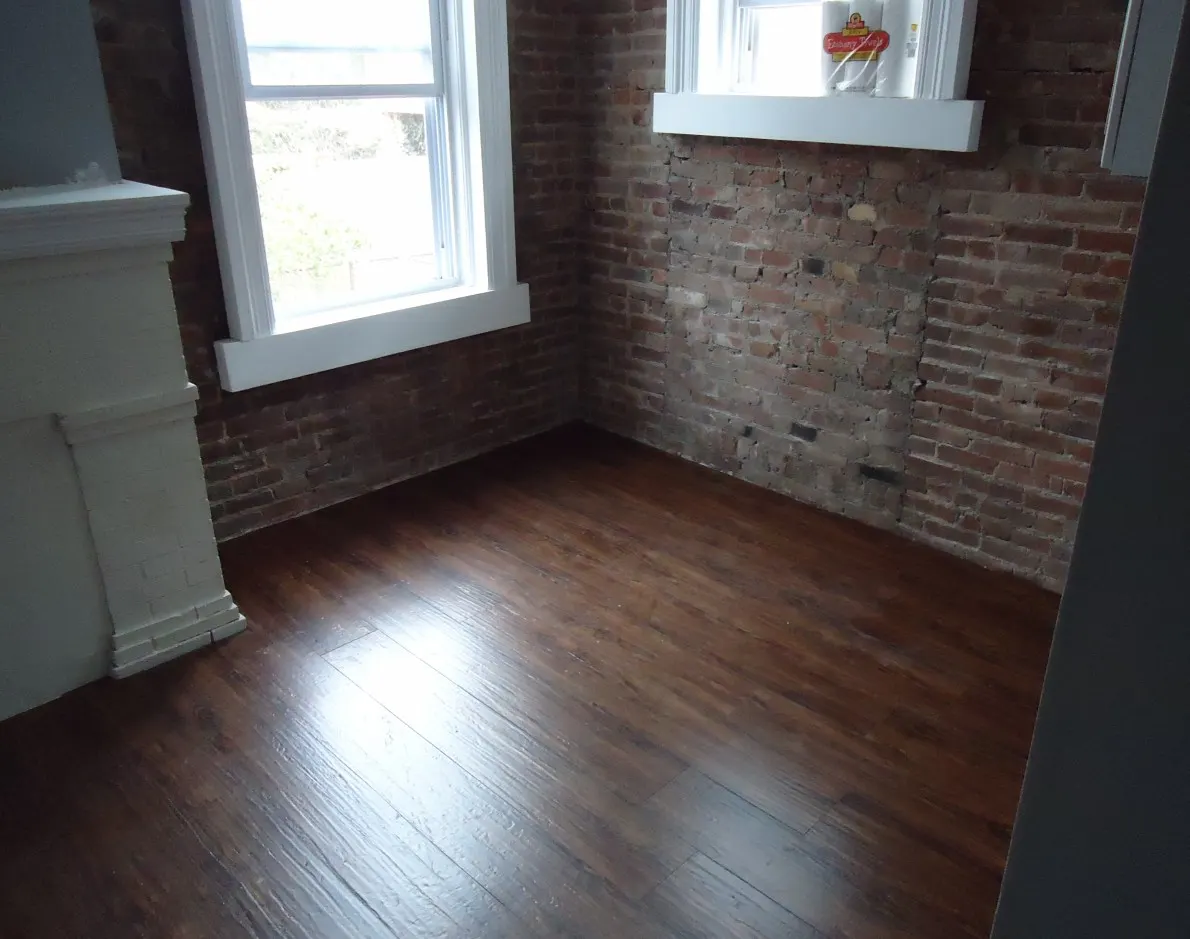
If the money is going into the house, that use matters for taxes. The IRS says interest on a home equity loan or HELOC is deductible only if the money is used to buy, build or substantially improve the home that secures it, and only if you itemize (Publication 936). Interest on money used for other things, like paying off credit cards, is not deductible. Repairs that only maintain the home don’t count as substantial improvements. Your tax adviser has the final word.
New Jersey adds a contractor rule. On a loan that counts as high-cost under the state’s Home Ownership Security Act, the lender may not pay a contractor directly from the loan; the check goes to you, to you and the contractor jointly, or to an escrow you choose (N.J.S.A. 46:10B-26). The Division of Consumer Affairs also warns against using lenders recommended by home improvement contractors. If your project needs a renovation loan rather than equity, see the HomeStyle renovation and FHA 203(k) pages.
New Jersey rules that protect you
New Jersey’s Home Ownership Security Act of 2002(N.J.S.A. 46:10B-22 and following) applies to loans secured by a New Jersey home that the borrower lives in, for personal or household purposes. The Department of Banking and Insurance’s outline of the Act lists first, second and later mortgages, including open-end lines of credit, as covered. Loans that cross its high-cost tests carry the strongest protections:
- No balloon payments and no balance that grows because payments don’t cover the interest.
- No raising the interest rate because of a default.
- A written notice before closing urging you to shop around and to talk to an attorney and a credit counselor.
- Counseling from an approved nonprofit before points and fees can be financed.
- The contractor-payment rule above.
- Foreclosure only through New Jersey’s court process.
The Department resets the largest loan amount that can count as high-cost every year. For applications received on or after January 1, 2026, it is $644,634 (Bulletin 26-01). Which parts of the Act apply can also depend on the lender: the National Credit Union Administration said in a 2004 legal opinion that federal law preempts the Act for federal credit unions.
Whoever you borrow from, you can check the loan officer’s license in NMLS Consumer Access before you apply. Jimmy’s is NMLS #1577754.
Your right to change your mind
When your primary home secures a HELOC or home equity loan, federal law gives you three business days to cancel for any reason (Regulation Z, 12 CFR 1026.23). The CFPB’s explanation covers the details:
- The clock starts after you sign, receive the Truth in Lending disclosures and receive two copies of the notice of your right to cancel.
- Saturdays count as business days; Sundays and legal public holidays don’t.
- You must cancel in writing. A phone call or a visit doesn’t count.
- The lender has 20 calendar days to return the money you paid.
- A second home or a rental doesn’t get this right; only your primary home does.
For a HELOC there is one more protection: if the lender changes the terms it disclosed before the line is opened, you can walk away and get your fees back. The one exception is a change in the variable rate itself (CFPB booklet).
How to get your own quote from Jimmy
- Tell Jimmy what the money is for and roughly how much you need, so he can tell you whether a HELOC, a home equity loan or a cash-out refinance fits the job.
- Share the basics: your town, your current mortgage balance, a rough idea of the home's value and where your credit stands.
- Get your quote in writing. Lenders must give you the HELOC terms and costs before you commit; compare at least three offers, as the CFPB and New Jersey's Division of Consumer Affairs both suggest.
- Apply and verify. Income, credit, title and the home's value are checked; the value may need an appraisal.
- Close. You sign the loan documents for your home.
- Wait out the three business days. On your primary home you can still cancel in writing; the money is released after that window.
Want to know what your home can do?
Tell Jimmy your town, roughly what the home is worth, what you owe and what the money is for. He’ll explain which option fits and send you the terms in writing. Eligibility and approval follow the lender’s guidelines and review; any credit check is explained before you authorize it.
Ready to apply? Start a secure application with CMG.
Frequently asked questions
What are HELOC rates in NJ right now?
This page does not list rates. A HELOC rate is usually an index, such as the prime rate, plus a margin that reflects your equity, credit, property and line size, and several New Jersey lenders advertise an introductory rate that later changes. Ask Jimmy for a written quote on your own home and compare it with at least two others.
How do I compare HELOC rates in New Jersey?
Get at least three written offers and compare the same items on each: the index and margin, how long any intro rate lasts and what it becomes, the highest rate allowed, closing costs and whether they are charged back if you close early, the minimum draw, and annual or inactivity fees. The CFPB's HELOC booklet has a worksheet for exactly this.
What is the difference between a HELOC and a home equity loan?
A HELOC is a credit line you draw from as needed, usually at a variable rate, with a draw period and then a repayment period. A home equity loan gives you one lump sum, usually at a fixed rate, repaid in equal scheduled payments. Both are secured by your home.
What is another name for a home equity loan?
A second mortgage. The CFPB lists them together as "second mortgage or home equity loan": you borrow against your equity, and the loan is secured by your home.
Is it hard to get a home equity loan or HELOC?
It depends mostly on your equity, credit, income and debts, and the home itself. Lenders look at how much your home is worth compared with everything you owe on it, then at whether the new payment fits your budget. Jimmy can tell you what a lender will look at in your case, and explains any credit check before you authorize it.
Is there a closing on a HELOC?
Yes. You sign loan documents, and there may be closing costs such as appraisal, title, recording and attorney fees, though some lenders waive some of them. On your primary home you then have three business days to cancel in writing before the money is released.
Is my home collateral for a HELOC?
Yes. A HELOC and a home equity loan are both secured by your home. The CFPB's advice is to borrow only if you are confident you can keep up with the payments, because if you fall behind you could lose your home.
Can I cancel a HELOC after I sign?
On your primary home, yes: federal law gives you three business days to cancel for any reason. Saturdays count as business days, Sundays and legal public holidays don't, and you must cancel in writing. The lender then returns your fees within 20 calendar days.
Is HELOC interest tax deductible?
Only if the money is used to buy, build or substantially improve the home that secures the loan, according to the IRS. Interest on money used for other things, such as paying off credit cards, is not deductible. Ask a tax adviser about your own return.
Does New Jersey have its own rules for home equity loans?
Yes. New Jersey's Home Ownership Security Act covers first and second mortgages, including credit lines, on a New Jersey home you live in. Loans that cross its high-cost tests carry extra protections, such as no balloon payments, required credit counseling before points and fees are financed, and limits on paying a contractor directly from the loan.
Related guides
- HELOC Basics→How a home equity line of credit works, in short.
- Refinance vs HELOC→When one new mortgage beats adding a second loan.
- Refinancing in New Jersey→Rate-and-term and cash-out refinance options.
- Home Equity Agreement vs HELOC→Selling a share of your home's value instead of borrowing.
Sources
- CFPB, What You Should Know About Home Equity Lines of Credit (booklet, last updated September 2026), read November 2, 2026
- CFPB, What is a home equity line of credit (HELOC)?, read November 2, 2026
- CFPB, What is a home equity loan? (last reviewed September 11, 2024), read November 2, 2026
- CFPB, What other types of loans are similar to a HELOC?, read November 2, 2026
- CFPB, Can I change my mind after I sign the loan closing documents? What is the right of rescission?, read November 2, 2026
- CFPB, My lender told me the HELOC terms have changed. What can I do?, read November 2, 2026
- CFPB, Regulation Z, 12 CFR 1026.23, Right of rescission, read November 2, 2026
- IRS, Publication 936 (2025), Home Mortgage Interest Deduction, read November 2, 2026
- IRS, Is interest paid on a home equity loan or HELOC deductible?, read November 2, 2026
- NJ Department of Banking and Insurance, Outline of the New Jersey Home Ownership Security Act, read November 2, 2026
- NJ Department of Banking and Insurance, Bulletin 26-01 (high-cost home loan principal amount for 2026), read November 2, 2026
- N.J.S.A. 46:10B-26, High-cost home loans, limitations, prohibited practices, read November 2, 2026
- NJ Division of Consumer Affairs, Predatory Lending? (consumer brief), read November 2, 2026
- NCUA, Legal opinion on the New Jersey Homeownership Security Act of 2002 (2004), read November 2, 2026
- CMG Home Loans, Home Equity Line of Credit (HELOC), read November 2, 2026
Equal Housing Opportunity. Jimmy Joseph, MBA is a loan officer, NMLS #1577754, with CMG Mortgage, Inc., dba CMG Home Loans, NMLS #1820. Branch NMLS #2477715. NMLS #1577754 | Verify current licensing in NMLS Consumer Access. Home equity programs, terms and availability change and depend on the property, its location and the full file. This page is information, not a commitment to lend or an offer of credit, and does not quote rates. Tax questions belong with a tax adviser.